
Develop softer-touch, lightweight, flexible and durable polymers and composites for wearables, supports, interfaces and human-centered product design.
AI Practice / Materials Science
AI Materials for Human-Centered & Energy Innovation
Research and development directions spanning ergonomic, robotic, 3D-printing, electrical, medical-device and battery materials. Product-specific safety, performance and qualification remain subject to testing.
Scientific opportunity
Six application areas. Materials designed for purpose.
From robotic motion and additive manufacturing to electrical, medical and battery applications, the right material begins with real performance and safety requirements.
Explore lightweight structures, compliant components, high-wear polymers and functional composites for robotic arms, grippers, sensors and mechanisms.
Explore printable polymers, engineered resins and composites for functional prototypes, customized parts, robotic tooling and advanced manufacturing—with printability, strength and repeatability evaluated in practice.
Investigate electrical insulation, dielectric behavior, thermal management, conductive composites and dimensional stability for electronic systems.
Explore medical-grade design requirements, chemical resistance, sterilization compatibility, precision components and biocompatibility evaluation for devices and instruments.
Explore AI-guided development of polymer binders, separators, insulating and thermal-management materials, and protective composites for energy storage. Electrochemical performance, safety and durability require physical validation.
Use application requirements, formulation data, microstructure insights and simulation to prioritize material candidates and experiments.
Connect AI-assisted screening with testing, quality controls and applicable industry or medical device qualification requirements before deployment.
Polymers + composites
From application needs to engineered performance.
AI can support candidate selection for ergonomic, robotics, 3D printing, electrical, medical-instrument and battery materials. Physical testing, manufacturability, safety and any applicable regulatory qualification remain essential.
Explore polymer & composite AI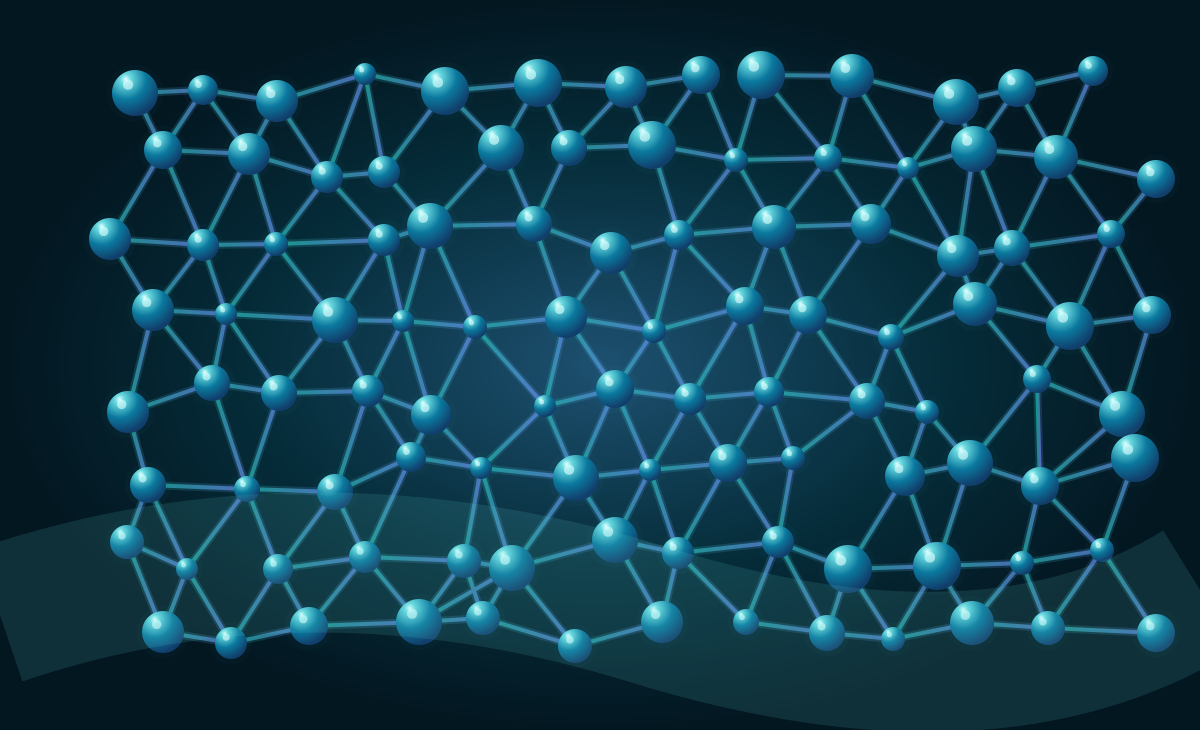
Visual perspectiveConceptual polymer microstructure
Start a conversation
Develop a material around your product.
Tell us about ergonomic, robotic, 3D printing, electrical, medical-device or battery materials and the performance your application requires.